 ICSInternational Cyber SecurityICSInternational Cyber Security
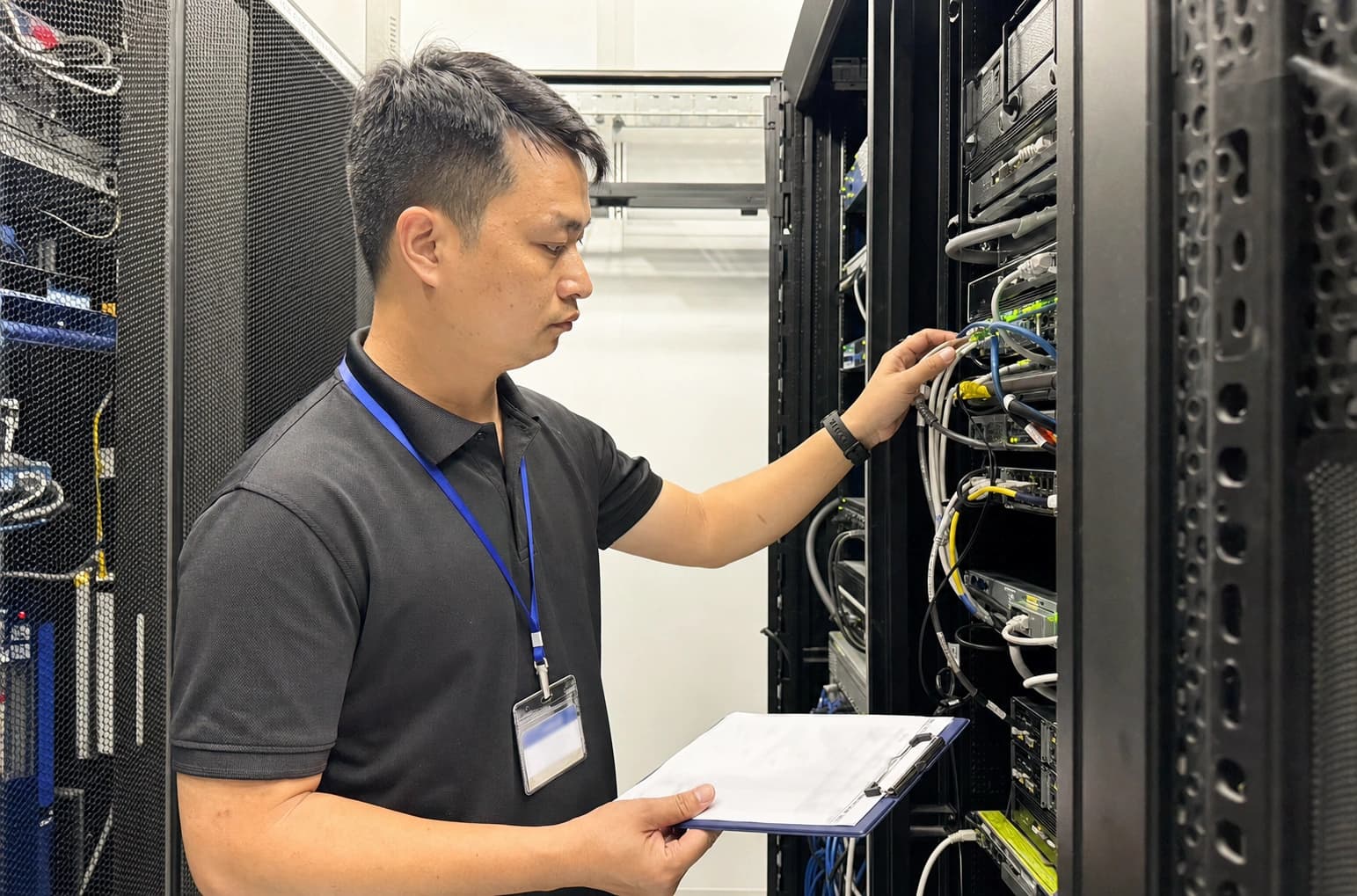
ICS assesses risk, designs and integrates controls, then gives your team the documentation and support needed to operate them.
Book a working session to clarify the systems, risks, and next assessment step.
Choose the closest situation to see the relevant product, solution, or service.
View all solutionsRecord critical assets, relevant data, and the issues that must be addressed first.
Show where each control operates and which systems it must connect to.
Set testing milestones, owners, recovery options, and required documentation.
Choose by the problem and system to protect, not by a feature checklist alone.
Explore the product portfolioAdd application protection to the release lifecycle with clear compatibility and acceptance checks.
02Prioritize alerts and standardize investigation and response workflows.
03CSA Endpoint combines device security, centralized management, data loss prevention, and behavior analytics into a single agent — saving up to 60% versus buying each solution separately.
04Get a focused OCI configuration, estimate, deployment plan, and operational handover.
ICS connects data, improves quality, and builds a trusted foundation for leadership and operating teams to make decisions from consistent information.
Explore Data Service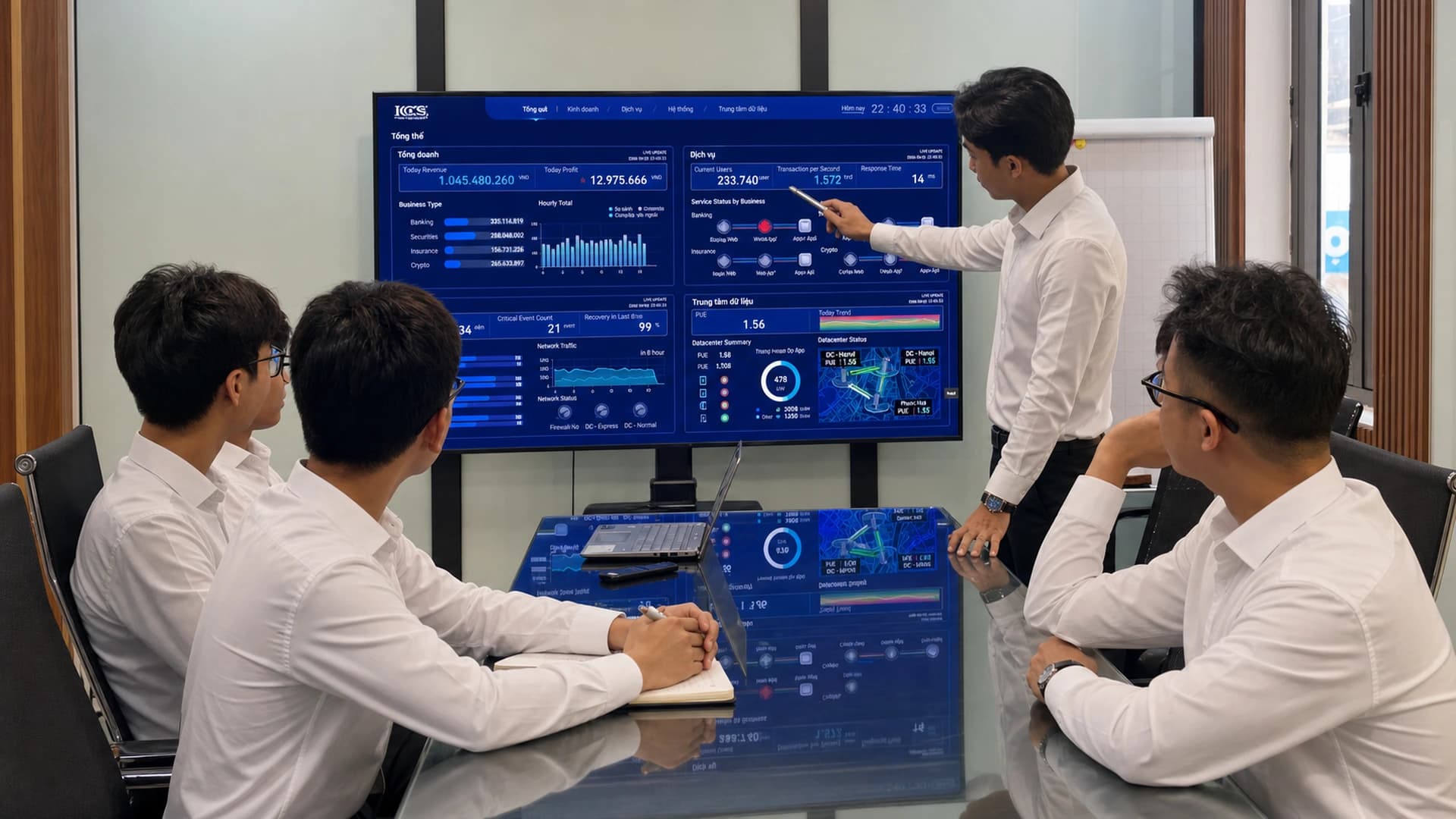
Alerts, regulatory changes, and technical analysis for decision-makers.
View all newsIn a scoping workshop, we review your assets, risks, integration constraints, and next decision—enough to plan an assessment, proof of concept, or proposal.