Alert Overload
10,000–11,000 alerts per day, mostly false positives
 ICSInternational Cyber Security
AI SOC
ICS's AI SOC solution combines Google's global-scale data analytics platform with Gurucul's advanced behavioral analytics technology, helping enterprises:
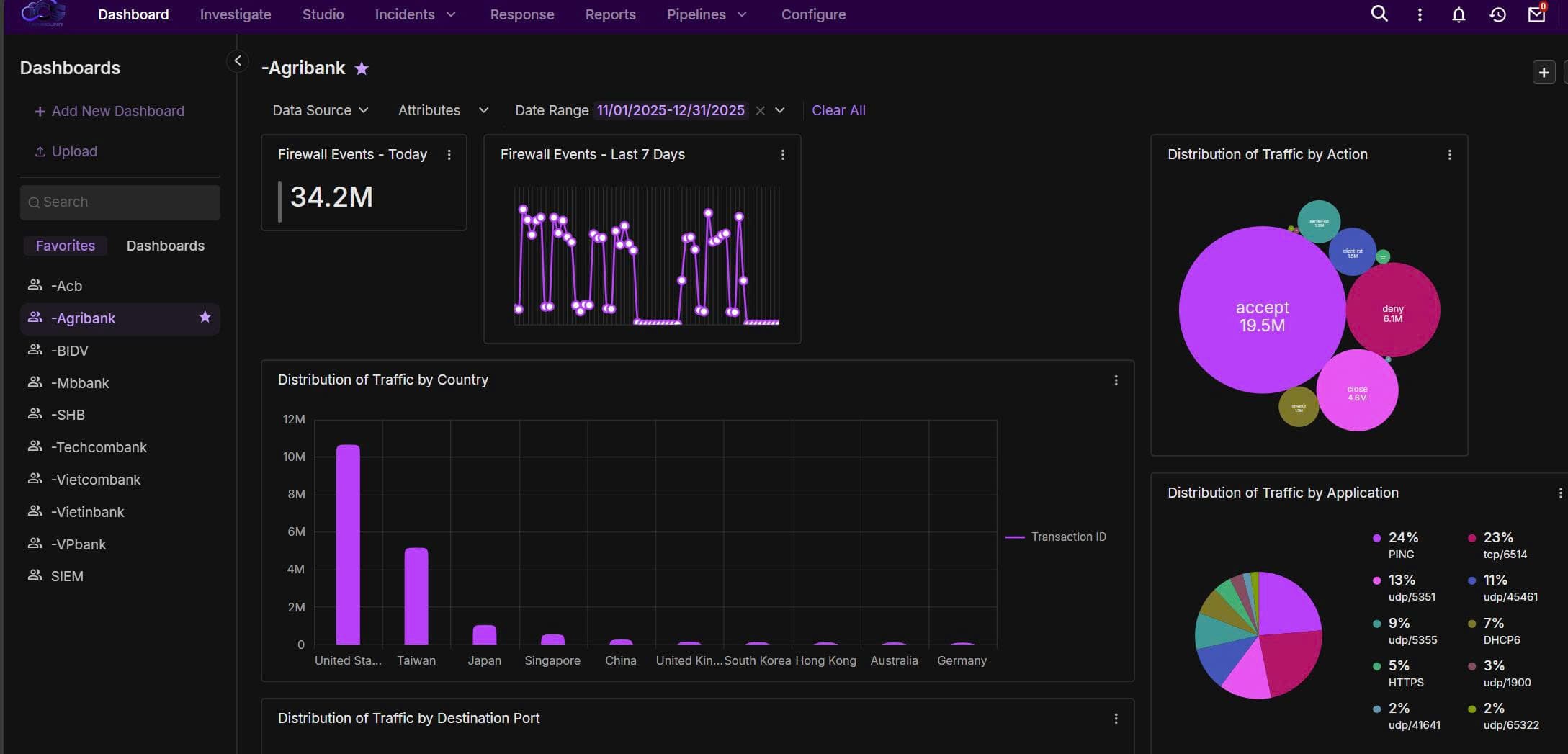
Market Pain Points
Enterprises face a harsh reality:
10,000–11,000 alerts per day, mostly false positives
83+ APT campaigns annually targeting:
52% of SOC teams are overworked
AI SOC Ecosystem
ICS deploys next-generation AI SOC based on the combination of Google Chronicle / Google Security Operations and Gurucul REVEAL Platform
Google Chronicle - Hyperscale SIEM platform with unlimited storage and analysis capabilities
Gurucul UEBA - 4000+ ML models analyze user & system behavior
Agentic AI - Replace 90% of L1 Analyst work, operates 24/7 without breaks
Orchestration & Response - Auto-response playbooks from containment to recovery
Breakthrough Technology
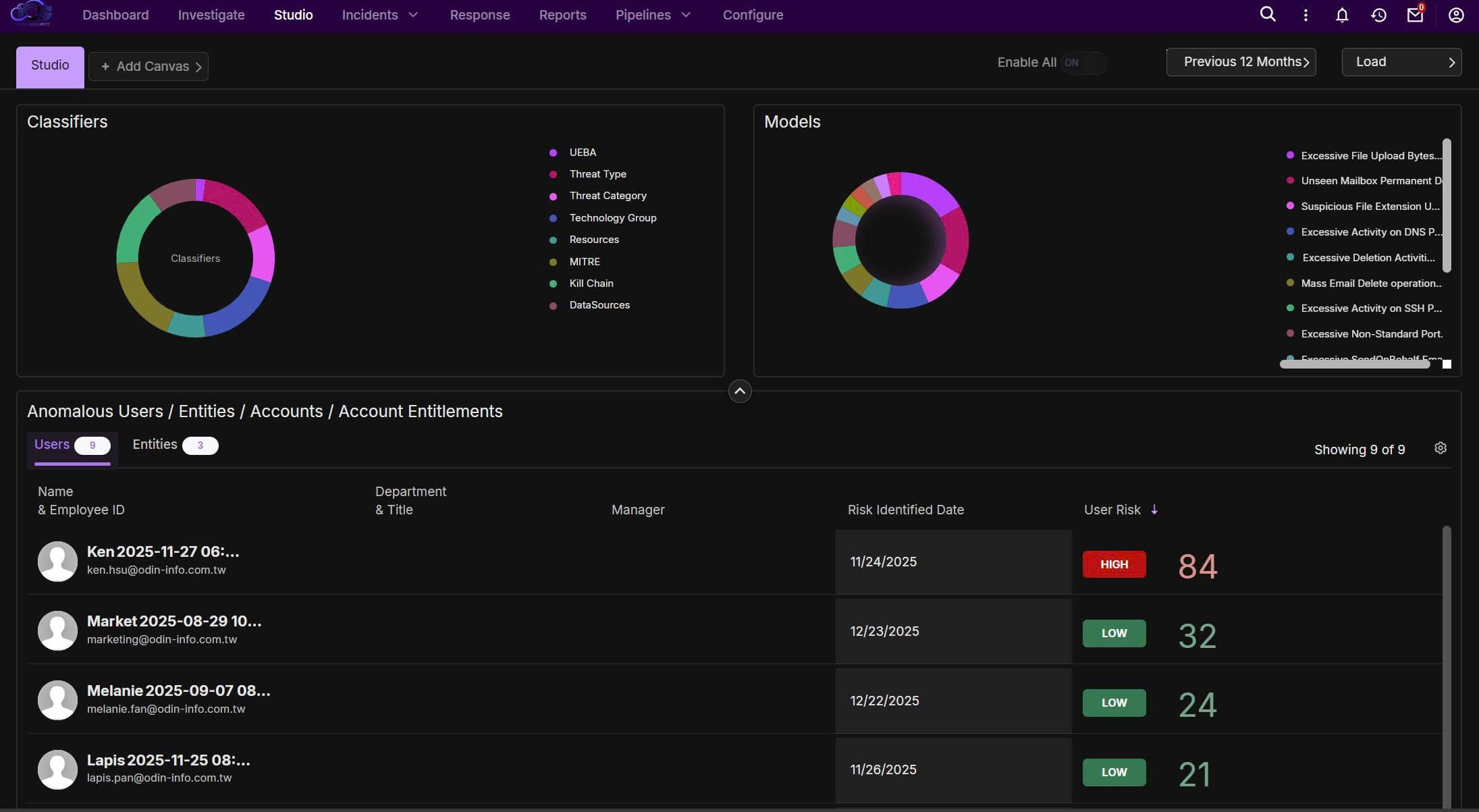
Context-aware risk scoring, prioritize the most dangerous threats. No more alert noise
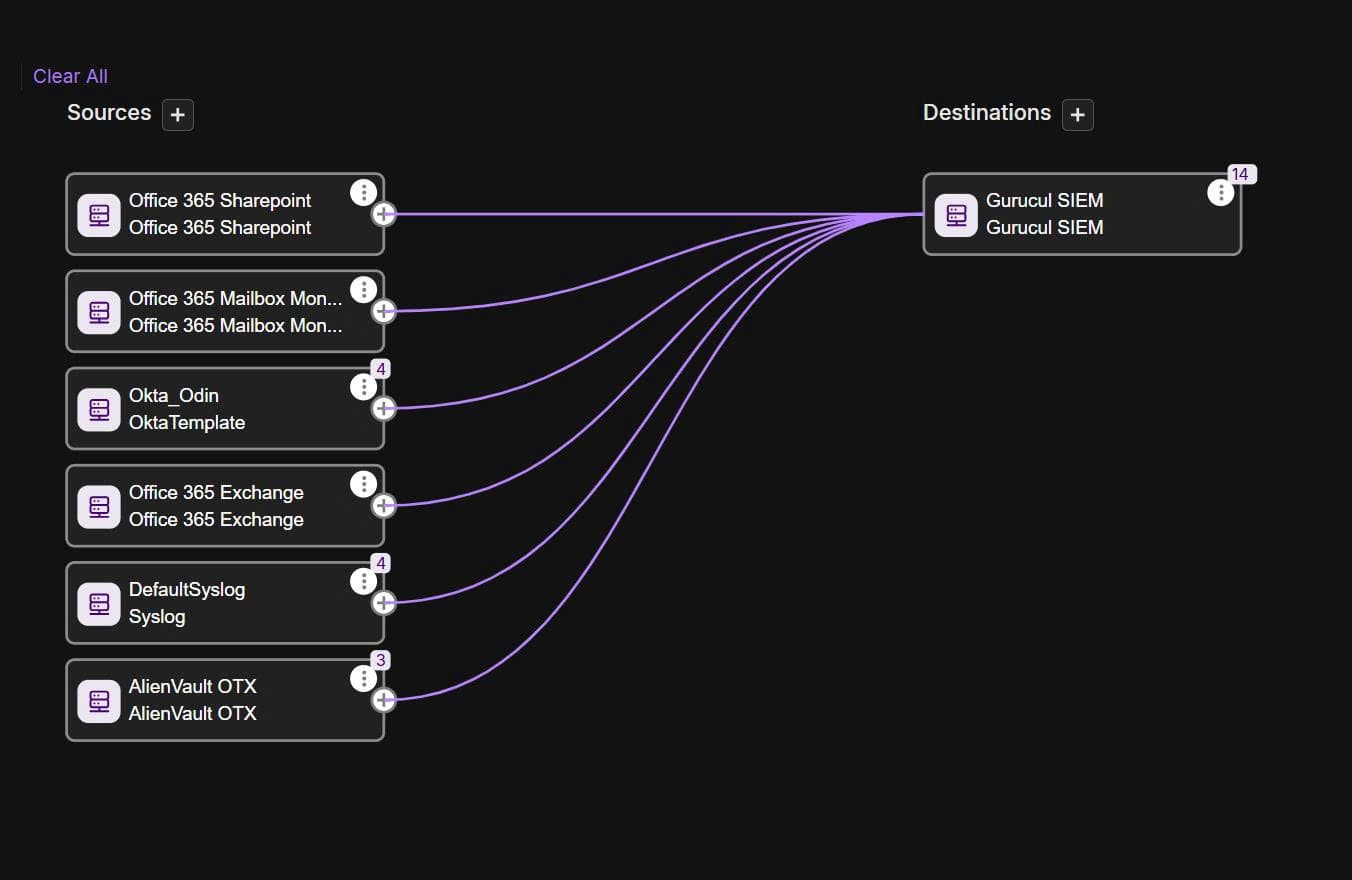
ICS AI SOC platform based on technology protecting Google, Microsoft, Fortune 500, and thousands of enterprises worldwide.
Operating Process
Identify – Protect – Detect – Respond – Recover
Cloud, Endpoint, Network, IAM, SaaS. Centralize logs, normalize in real-time
AI/ML correlation with global threat intelligence. Detect unknown anomalies (Zero-day)
AI + ICS expert context analysis. Eliminate false positives
Trigger automatic playbooks. Contain spread in seconds
Support recovery. Propose patches – improve security posture
Recognized by Gartner
ICS's AI SOC platform is built on Gurucul Next-Gen SIEM, ranked as a Leader by Gartner for innovation and superior behavioral analytics
Learn more about Gartner's ranking report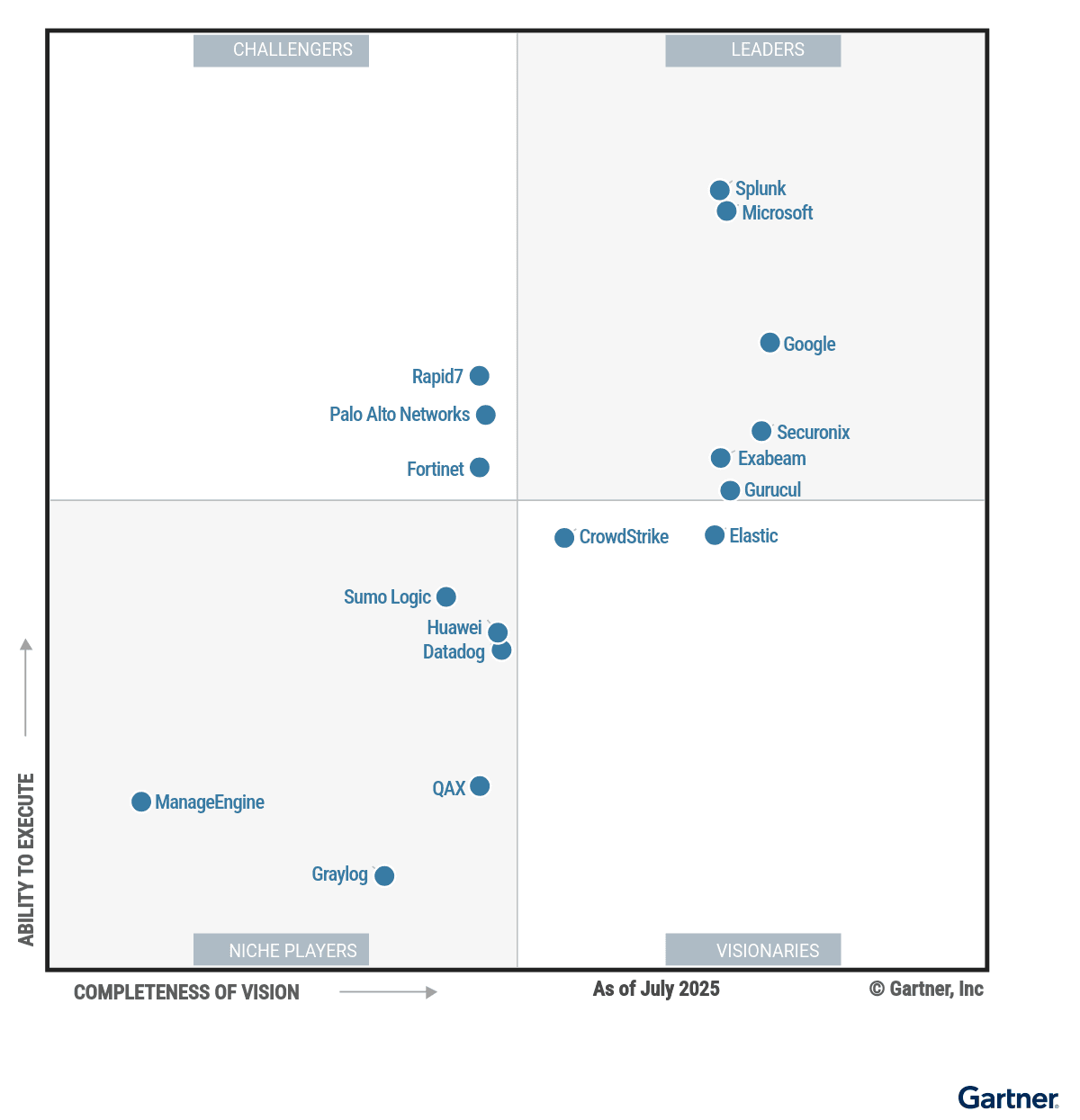
Why choose ICS to deploy Gurucul?
ICS is Gurucul's strategic partner in Vietnam, delivering world-class AI SOC solutions with localized support
Gurucul-certified expert team
24/7 support in Vietnamese
Customized for Vietnamese enterprises
Technology training and transfer
Documentation & Case Studies
Download the 'Gurucul Workshop Walkthrough' document to:
Begin your transformation journey
ICS security experts will provide free consultation, assess your current state, and recommend a customized AI SOC implementation roadmap