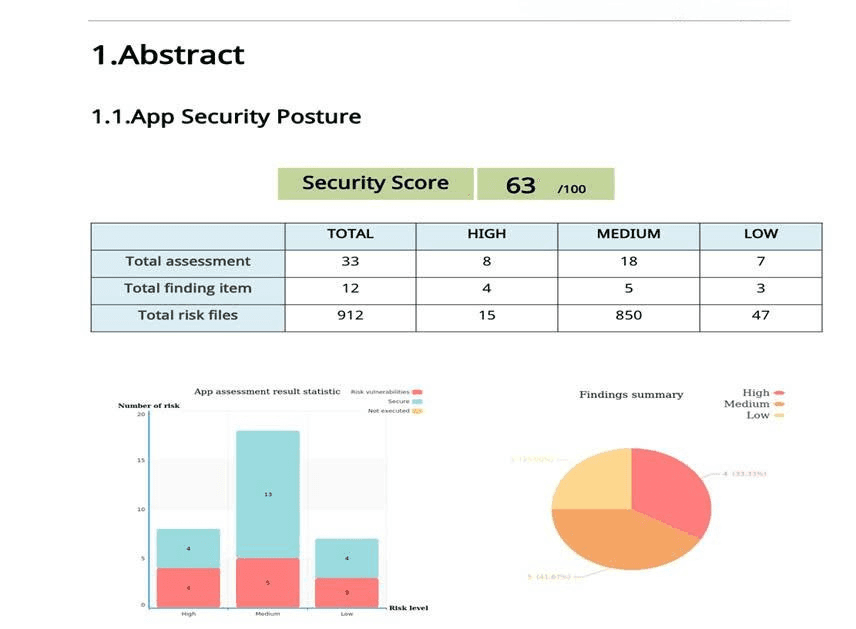
Risks Before Protection
Before Using VietGuard
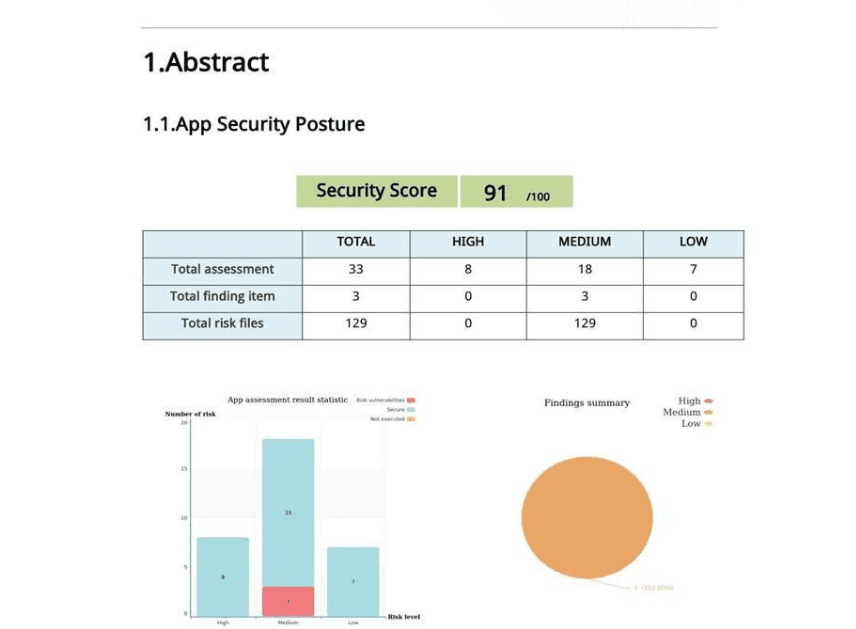
After Using VietGuard
 ICSInternational Cyber Security
Leading mobile app security solution in Vietnam with advanced AI technology
Review the APK/IPA build, map the attack surface, and rate reverse-engineering and tampering risk against the OWASP Mobile Top 10 before wrapping.
Wrap the signed build directly — no source code required — with code obfuscation, anti-tampering, anti-debugging, and Root/Jailbreak detection.
Test the wrapped build across device models and iOS/Android versions to confirm behaviour and performance stay unchanged.
Issue the license key for the app, re-sign the wrapped build, and publish it to the App Store and Google Play.
Re-test protection effectiveness and hand over the acceptance report and sign-off record with the ICS expert team.
End-to-end support from the dedicated ICS expert team
Contact for ConsultationSee the visual transformation from vulnerable app to fully protected app
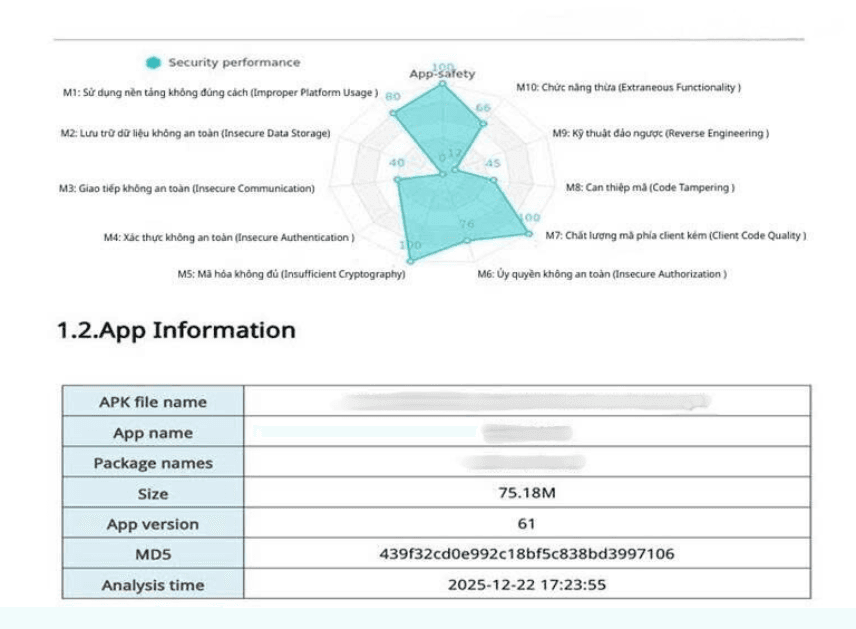
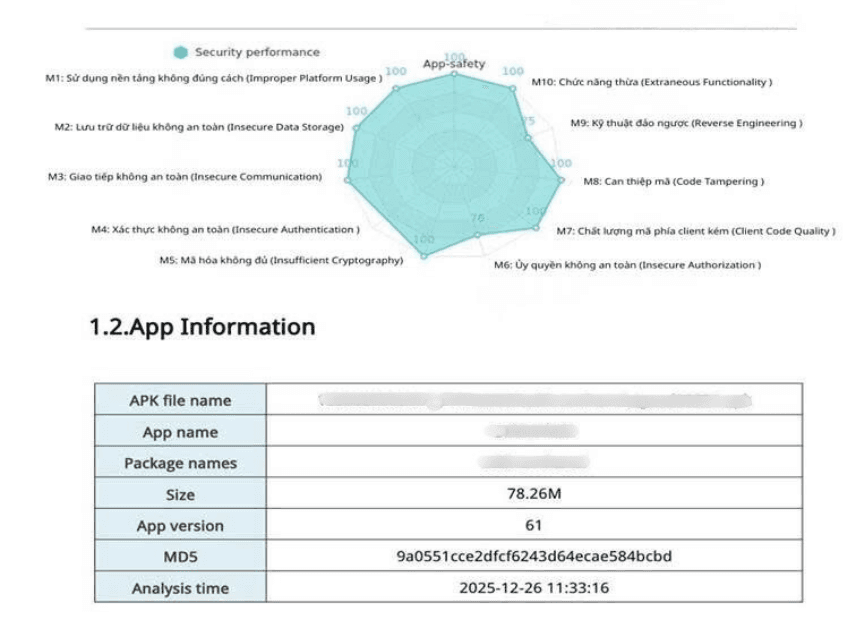
Vietguard builds a solid shield against the most common threats today
Customers choose Vietguard because of the combination of advanced technology and credibility from leading experts

Pioneer in applying AI to cybersecurity in Vietnam

Team with extensive experience and prestigious international certifications

Meets strict standards, protects 1 billion users

Trusted by OCBC Bank, Gamevil, XLGAMES...
Vietguard provides active protection platforms for all types of mobile applications today
Comprehensive analysis and protection for both APK (Android) and IPA (iOS) files
Strong protection for HTML5, CSS and JavaScript applications
Safe even on rooted or jailbroken devices
Join hundreds of businesses trusting Vietguard to secure their digital assets